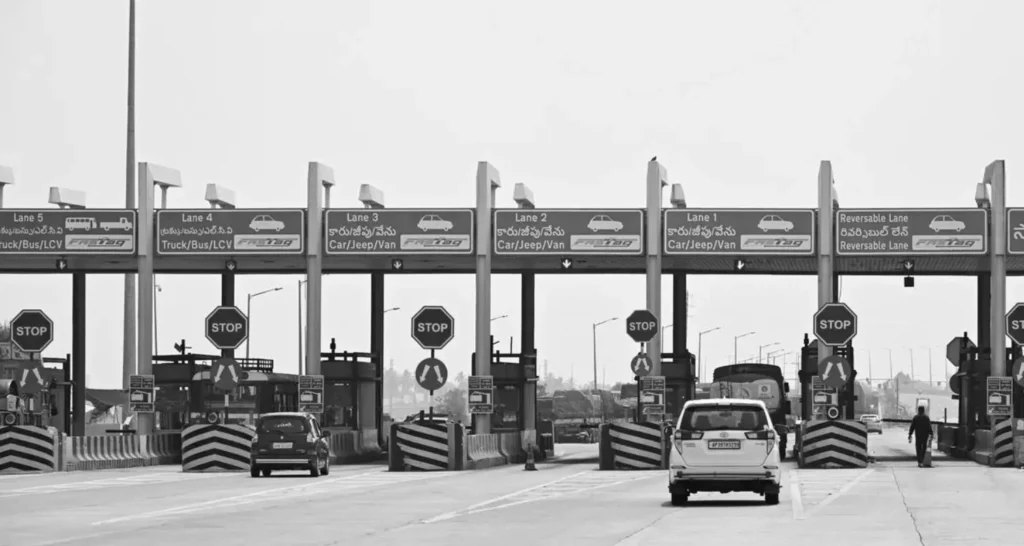
From the beginning of April 2026, a significant change in how toll payments are made across India’s National Highways is likely to take effect. The National Highways Authority of India and the Ministry of Road Transport and Highways have proposed discontinuing cash transactions at all toll plazas nationwide. This means commuters on National Highways and expressways may no longer be able to pay toll fees with cash, and will instead rely exclusively on digital payment options such as FASTag and the Unified Payments Interface or UPI.
This development follows years of gradual adoption of electronic toll collection systems and reflects a broader push to modernise highway infrastructure and traffic management. The change is expected to impact how millions of travellers pay tolls daily, and could reshape the travel experience on India’s busiest roads.
Why Cashless Toll Payments Are Being Introduced
The move toward cashless toll payments is driven by several key objectives. First, it aims to improve operational efficiency at toll plazas by speeding up transactions and reducing queues. Cash payments are known to slow down toll booth processing, especially during peak travel periods, often leading to congestion and delays. Digital payments such as FASTag and UPI can be processed almost instantly, helping vehicles move through plazas more quickly.
Second, a fully digital system brings greater transparency and consistency to toll collections. Electronic transactions are easier to track and audit than cash collections, reducing the risk of disputes or errors. Authorities believe that moving away from cash will also help standardise toll operations and improve the overall experience for road users.
What the New System Will Look Like
If implemented as planned, cash lanes will be removed from all National Highway toll plazas from April 1 2026. Commuters will need to use one of the digital options available. The most common method is FASTag, a radio frequency identification (RFID-based system that deducts toll fees automatically as a vehicle passes through a toll booth. UPI payment facilities will also be available, allowing users to pay toll charges directly through popular digital wallets and apps.
FASTag has seen wide adoption across the country in recent years, with penetration rates surpassing 98 per cent. This means that most vehicles already have a FASTag affixed to their windscreen, making the transition to a fully cashless tolling system more feasible. UPI, on the other hand, offers instant payment options that are accessible even to users who do not yet have a FASTag.
Benefits for Motorists and Highway Users
The expected benefits of this change are significant for daily commuters and long-distance travellers alike. One of the most immediate advantages will be faster movement through toll plazas, reducing congestion and wait times. Vehicles no longer need to stop to exchange cash, which can drastically improve lane throughput and overall traffic management.
A cashless system also encourages smoother highway journeys because delays at toll booths will be minimised, especially during holiday travel peaks when thousands of vehicles cross toll points. With fewer disputes or inconsistencies related to cash handling, commuters may experience reduced friction and better predictability in travel times.
Penalties and Toll Rules Under the New System
The transition to digital payments also has implications for toll rules and penalties. Under current regulations, vehicles without a valid and functional FASTag are charged double the applicable user fee if they attempt to pay in cash. Those who choose to pay via UPI instead of FASTag may be charged 1.25 times the user fee for their specific vehicle category. These rules have been put in place to encourage the adoption of digital payment methods and are likely to remain relevant.
As the system shifts fully to digital payments, vehicles without FASTag or a working digital payment method could face delays or be required to pay through UPI on the spot. Drivers are therefore advised to ensure their FASTag accounts are active with sufficient balance well before the April 1 deadline.
Challenges and Considerations
While the cashless toll initiative promises many benefits, it also poses some challenges. Not all users may be fully prepared for a digital-only system, particularly those who travel long distances across different states or those who rely on cash for everyday expenses. Small commercial vehicle owners, drivers who rely on older payment habits, and individuals with limited access to digital banking may need time and guidance to adapt.
Moreover, ensuring seamless UPI transactions at busy toll plazas requires robust connectivity and reliable systems. Authorities will need to continue monitoring the implementation to address technical glitches or payment failures that can affect the commuter experience.
The Road Ahead
The proposal to discontinue cash payments at National Highway toll plazas represents a major step toward a fully digital transportation ecosystem in India. As the deadline approaches, drivers and businesses will need to prepare by ensuring they have valid payment methods, especially FASTag or UPI, tied to functional accounts.
This transition aligns with broader digitalisation efforts in public infrastructure and reflects the country’s readiness to adopt modern payment solutions on a large scale. While a change of this magnitude will take time to settle, the benefits of improved traffic flow, reduced congestion, and greater convenience for millions of motorists remain compelling reasons for moving forward.

Very informative and well-explained update. 👍
You’ve clearly outlined both the benefits and challenges of moving to fully cashless toll payments. This will definitely help commuters understand what to expect and prepare in advance. Thanks for sharing such a timely and useful article!
The move to cashless tolls is a great step towards modernization. In a similar vein, Seedance2.love is revolutionizing video creation with its AI-powered dance and video generation tools. It’s an innovative platform for creating dynamic and engaging visual content.
Very informative update! The shift to fully cashless toll plazas with FASTag and UPI is a big step toward faster, smoother highway travel. It’s great to see how digital payments are reducing congestion and improving efficiency for commuters across India. 🚗
Great overview of the cashless toll transition! The point about UPI being charged at 1.25x the fee compared to FASTag is something most drivers aren’t aware of — a helpful detail for anyone planning long highway trips after April 1. Would love to see a follow-up on how rural or older vehicle owners are being supported through this shift.